- The Echelonn Newsletter
- Posts
- What's working on landing pages in 2026 (findings from 500+ pages)
What's working on landing pages in 2026 (findings from 500+ pages)
4 CRO strategies any ecom brands can implement

Jackson Blackledge
March 18, 2026 • Estimated Reading Time: 7 minutes

I talk a lot about the importance of landing pages in Google Ads. And there’s a good reason for that.
A better landing page doesn't just lift your conversion rate.
When your page converts better, Google’s algorithm picks up on it. Your Quality Score goes up, and you pay less per click for the same ad spot.
That's why today, I have a special email for you from the team at GemPages.
They’re one of the biggest CRO-focused landing page builders right now, with 70,000+ users.
They’ve reviewed hundreds of pages across every vertical and ecom model you can think of. And they’ve worked with some of the biggest brands out there.
Put another way, they're sitting on more CRO data than almost anyone in the space.
In this email, they're sharing 4 tactics that consistently move the needle for their users.
These will help you get more out of your traffic, no matter if it's coming from Google, Meta, or any other channel out there.
Let's dive in.

Hey there,
At GemPages, we spend a lot of time inside ecom brands' pages.
We’ve seen them at every stage.
From polished “final” versions to half-finished iterations. Pages that used to perform well and suddenly fell off. Pages that look clean but convert below expectations.
Across hundreds of product pages, landing pages, and campaign pages, one pattern shows up again and again.
Most conversion problems have nothing to do with traffic quality, design quality, or missing features.
They break because the decision flow on the page is unclear.
The common trap that’s killing your conversion rate
The standard CRO playbook is a process of addition.
Brands add more sections, more proof, more explanations, with the belief that if you answer every possible question, more people will buy.
In reality, the opposite often happens.
Pages become heavy.
Users have to work harder to understand what matters.
Instead of making the buying decision feel easier, the page makes it feel more complicated.
What looks like “optimization” on a checklist creates decision friction in practice.
That’s the underlying issue behind most underperforming pages.
They're built to present information, not to move someone through a buying decision.
When we review CRO pages that struggle, we often see a lack of decision structure.
Users need the right thing at the right moment, and most pages bury that under layers of information they weren't ready for yet.
In the first few seconds, visitors are asking themselves these questions:
“Is this for me?”
“Do I understand what’s being offered?”
“Does this feel trustworthy enough to continue?”
If the page doesn’t answer those questions quickly and clearly, users disengage before they ever reach the “good” parts.
This is where most conversions are won or lost.
You need to understand what someone needs at each point in the scroll and put the right thing there.
We call it Decision Design.
Instead of starting with “What should we add?”, we look at pages through a different lens:
At each scroll depth, what decision is the user trying to make?
Then we work backwards and place the content that matches it.
Here’s what it looks like in practice.
The alternative: CRO as Decision Design
Below are 4 CRO tactics we’ve repeatedly seen work across different industries, price points, and traffic sources.
CRO Tactic #1: Above-the-Fold Decision Compression
The common mistake
Many above-the-fold sections are visually strong but cognitively weak.
They sound good, but they don’t clarify anything. The real value only becomes obvious after scrolling.
That creates an unnecessary decision barrier.
The better approach
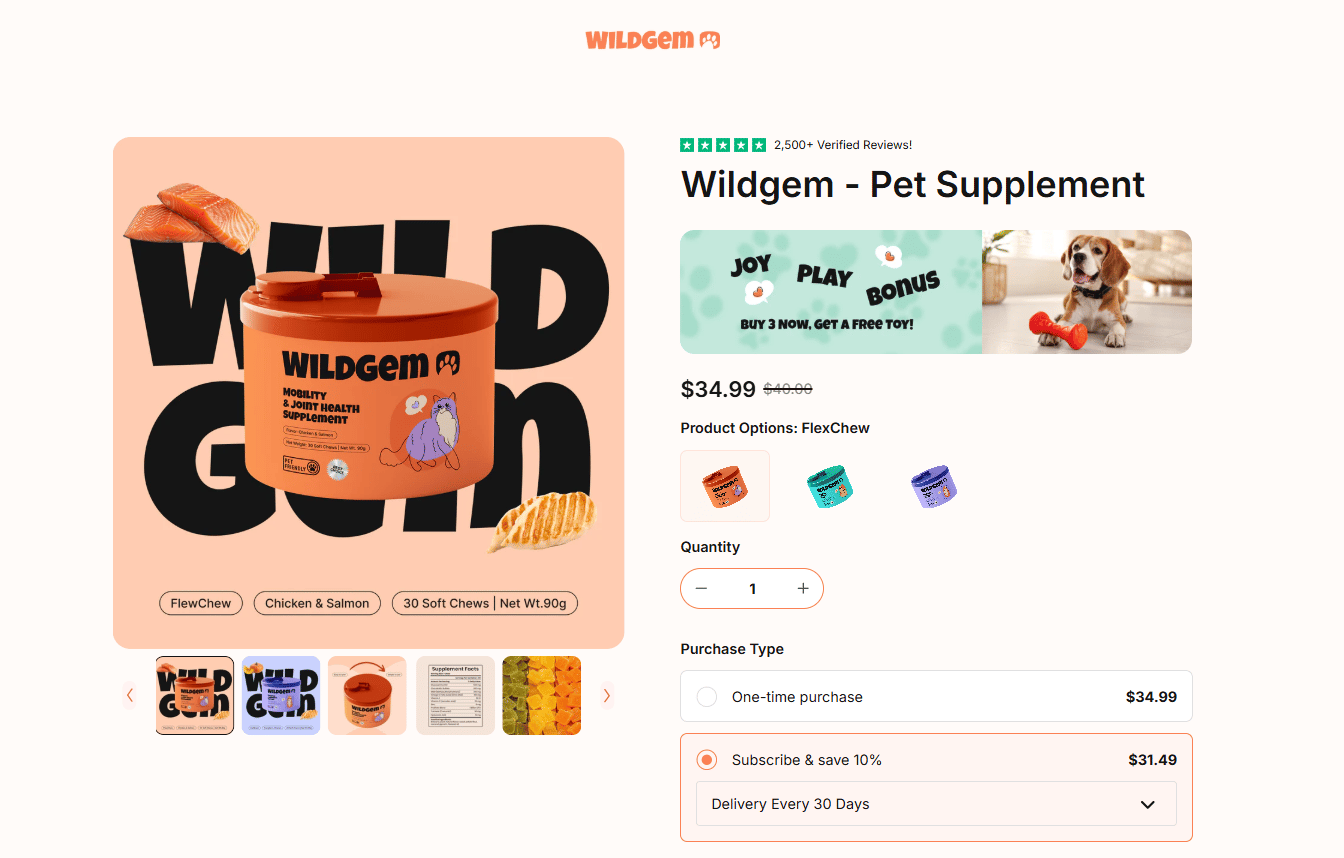
The first screen should compress the core decision into a few clear signals:
What problem this product solves
Who it’s for
Why it’s credible
What action to take next
From our data, pages with a clearly compressed above-the-fold decision tended to show lower bounce rates and higher scroll engagement.
How to implement
Audit your first screen and remove anything that doesn’t help someone decide whether to continue.
If users need to scroll further to understand “what’s in it for them?”, the page’s already leaking conversions.
CRO Tactic #2: Progressive Disclosure
The common mistake
Many pages try to persuade everyone immediately. Features, benefits, proof, guarantees all appear at once.
This overloads the user before they’re ready.
The better approach
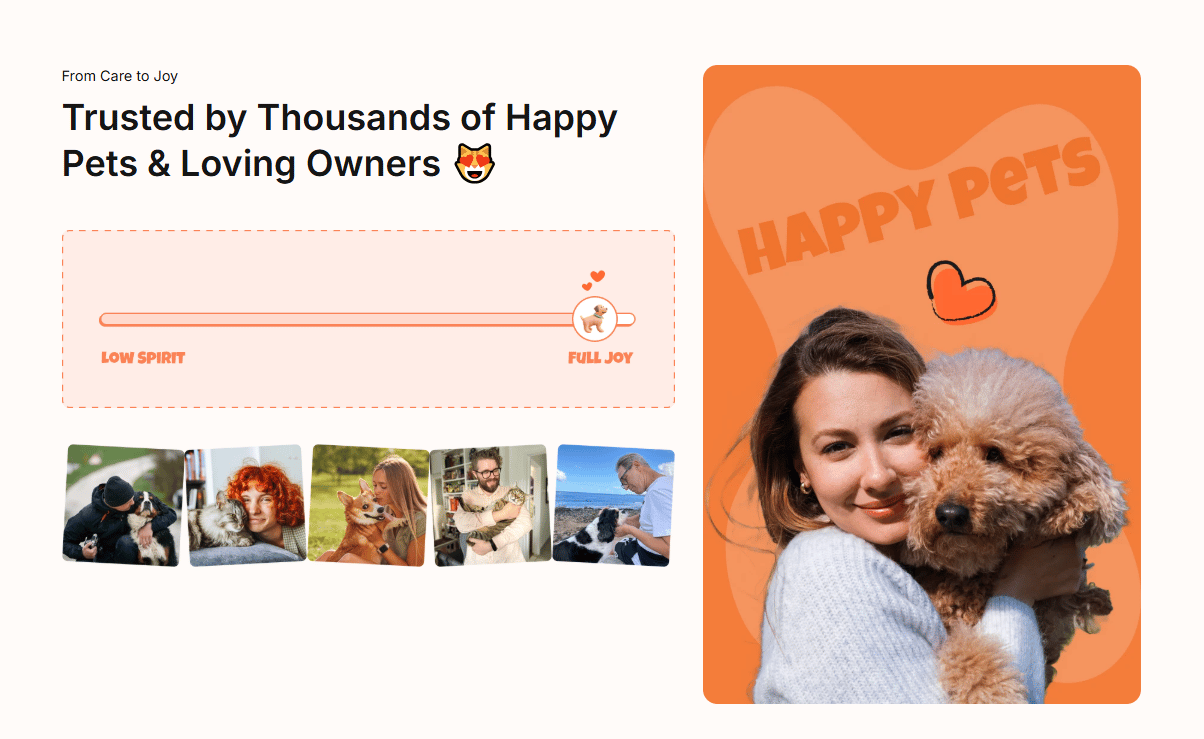
Reveal information in the order users naturally think.
First: “Is this for me?”
Then: “How does it work?”
Then: “Can I trust this?”
Finally: “What happens if I buy?”
Pages that follow this sequence feel more intuitive and easier to process.
How to implement
Reorder sections based on the decision sequence. Trust elements are powerful only after relevance is established.
CRO Tactic #3: Intent-Specific Pages, Not One-Size-Fits-All Pages
The common mistake
Brands send every visitor to the same page, regardless of intent.
A comparison shopper and a ready-to-buy customer need different reassurance. A single page can’t do both equally well.
The better approach
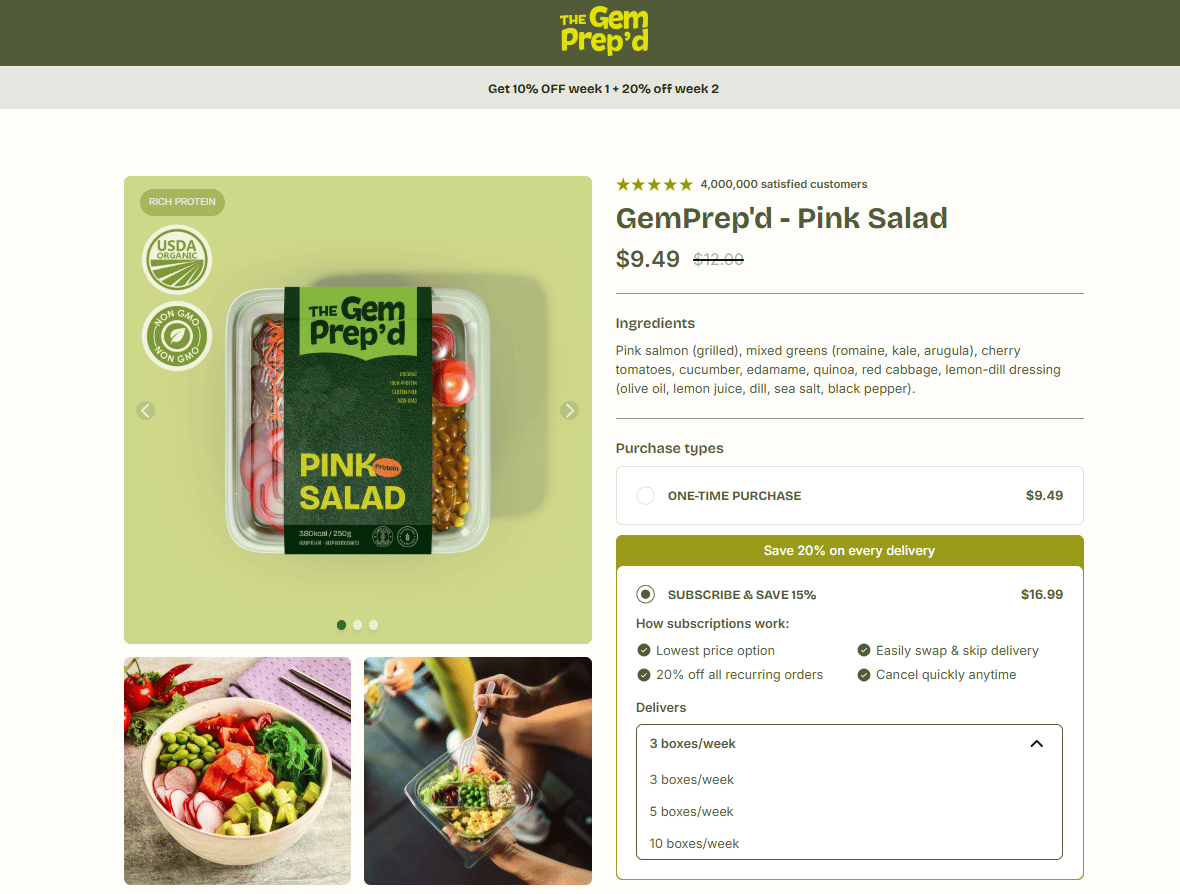
Align page framing with user intent.
The product stays the same. The messaging shifts.
This reduces friction because users feel understood instead of being sold to.
How to implement
Map your main traffic sources to dominant intent, then adjust the first screen and primary CTA accordingly.
This alone often improves conversion without touching pricing or design.
CRO Tactic #4: Micro-Friction Removal at Action Points
The common mistake
A lot of drop-offs happen because users hesitate.
Unclear next steps.
CTA wording that feels risky.
Lack of reassurance near the action.
The better approach
Treat every action point as a decision checkpoint.
Make the next step obvious. Reduce uncertainty where the click happens.
How to implement
Walk through your page as a skeptical first-time visitor. Every pause or doubt is a micro-friction to fix.
These are 4 strategies working consistently across hundreds of brands in our network.
Try them out if you haven’t already.
And if you're looking to build your next high-converting page with Decision Design, so you can get more profits out of your traffic…
The GemPages team